

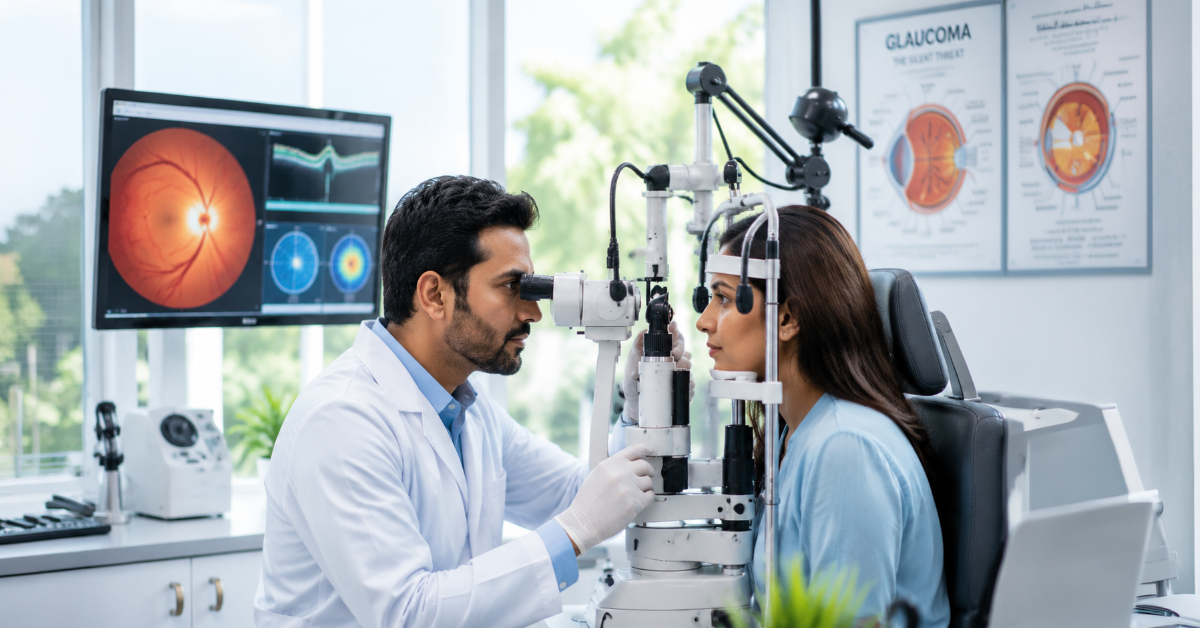
One difficult thing about glaucoma eye disease is how normal everything can feel in the beginning. Vision may seem fine. Daily life moves on as usual. Nothing dramatic happens overnight, and that is often why people ignore the small changes. At Win Vision, we have seen many people come in only after noticing vision problems that had already been building slowly for years.
Glaucoma symptoms the optic nerve, usually because of pressure inside the eye. The troubling part is that the damage can happen silently. Some people expect pain or sudden blindness, but glaucoma often does not behave that way. It moves slowly and quietly, which makes regular eye checks more important than most people realize.
Small Changes That Feel Easy To Ignore
The early signs of glaucoma are sometimes so subtle that people explain them away. A person may start bumping into objects from the side more often. Reading may feel slightly tiring. Driving at night may suddenly feel uncomfortable without a clear reason.
can also be mild headaches around the eyes or moments of blurred vision that come and go. Some people notice halos around lights, especially at night, but assume it is just tiredness or age. These things do not always point to glaucoma, but they should not be brushed aside either.
At Win Vision, we often tell people that eyes adapt surprisingly well. Vision loss from glaucoma can happen little by little, and the brain learns to adjust. Because of that, many people do not realize something is wrong until peripheral vision has already reduced.
Eye Pressure Does Not Always Feel Obvious
When people hear about glaucoma, they often think they will “feel” eye pressure building up. That is not always true. Some cases involve no noticeable discomfort at all. Still, certain eye pressure symptoms can appear in some people. There may be aching around the eyes, sudden blurred vision, redness, nausea, or headaches.
Acute glaucoma can happen quickly and needs immediate treatment, but the more common type develops gradually and quietly. That quietness is what makes glaucoma difficult. A person may postpone an eye appointment because nothing feels urgent. Then months pass. Sometimes years.
Losing Side Vision Happens Slowly
One of the biggest warning signs of glaucoma is the slow loss of side vision. It rarely disappears all at once. Instead, small gaps begin forming around the edges of sight. People may start turning their heads more often without realizing it. Walking in crowded places may feel slightly awkward. Watching steps while walking downstairs may require more attention than before.
Because central vision stays clear for a long time, glaucoma can remain hidden. Reading messages or watching television may still seem perfectly normal. That creates a false sense of reassurance. At Win Vision, we have noticed that many families only understand the seriousness after proper testing shows how much peripheral vision has already been affected.
Age Is Not The Only Reason
Many people assume glaucoma only affects very old adults. Age does increase risk, but glaucoma can develop earlier too. Family history matters. Diabetes, high blood pressure, long-term steroid use, and even severe eye injuries can increase the chances. Sometimes people avoid eye exams because they believe glasses are the only thing that gets checked. But glaucoma testing is different. Eye pressure, optic nerve health, and peripheral vision all need proper examination.
We at Win Vision have spent the last eight years improving access to eye care across Telangana and Andhra Pradesh because these conditions are often missed in smaller towns and rural communities. Early detection changes outcomes more than people think.
The Problem With Waiting For Symptoms
There is a common misunderstanding that treatment should begin only after symptoms become noticeable. With glaucoma, that approach can be risky because vision damage cannot usually be reversed. Treatment mainly focuses on slowing or stopping further damage. Eye drops, medicines, laser procedures, or surgeries help reduce pressure inside the eye.
The earlier treatment starts, the better the chance of protecting vision long-term. This is why regular screening matters even when eyesight feels normal. The absence of pain or obvious problems does not always mean the eyes are healthy.
Why Win Vision Keeps Focusing On Early Detection
At Win Vision, the focus has always been on making eye care accessible before problems become severe. With 06 centers, 18+ experts, and more than 54246+ procedures completed, we have seen how early glaucoma diagnosis can protect a person’s independence and daily life. Over the years, we have worked closely with families across Telangana and Andhra Pradesh, especially in tier-2 and tier-3 cities where proper ophthalmology services are not always easily available.
Bringing genuine medical care closer to people has remained an important part of our work because glaucoma often goes unnoticed until vision loss becomes difficult to manage. Many people walk into Win Vision expecting a routine eye check and discover hidden pressure changes or optic nerve damage during screening. That moment matters more than most people realize.
Final Words
The hardest thing about glaucoma may be how ordinary life still feels while vision slowly changes underneath. There is no dramatic warning for many people. Just small signs that are easy to dismiss. That is why paying attention to subtle changes matters. So does getting the eyes checked even when everything seems fine.
Glaucoma may move quietly, but early detection gives people a better chance to protect the vision they still have. At Win Vision, we believe people deserve access to care before vision loss begins shaping daily life. Sometimes one routine eye examination can prevent years of silent damage.
FAQs
What Are the Early Signs and Symptoms of Glaucoma?
Blurred vision, halos around lights, headaches, eye strain, and slowly reduced side vision are common early glaucoma warning signs sometimes noticed.
What Happens If Glaucoma Is Left Untreated?
Untreated glaucoma can slowly damage the optic nerve permanently, leading to severe vision loss and eventually irreversible blindness over time.
Why Is Glaucoma Often Called the Silent Thief of Sight?
Glaucoma develops gradually without obvious pain or symptoms, quietly damaging vision before many people realize anything serious is happening.
Can Glaucoma Develop Without Noticeable Symptoms?
Yes, many people experience glaucoma without noticeable symptoms initially, which makes regular eye examinations extremely important for early detection.
How Often Should You Get Your Eyes Checked for Glaucoma?
Adults should generally schedule regular eye examinations every one to two years, especially after forty or with family glaucoma history.