

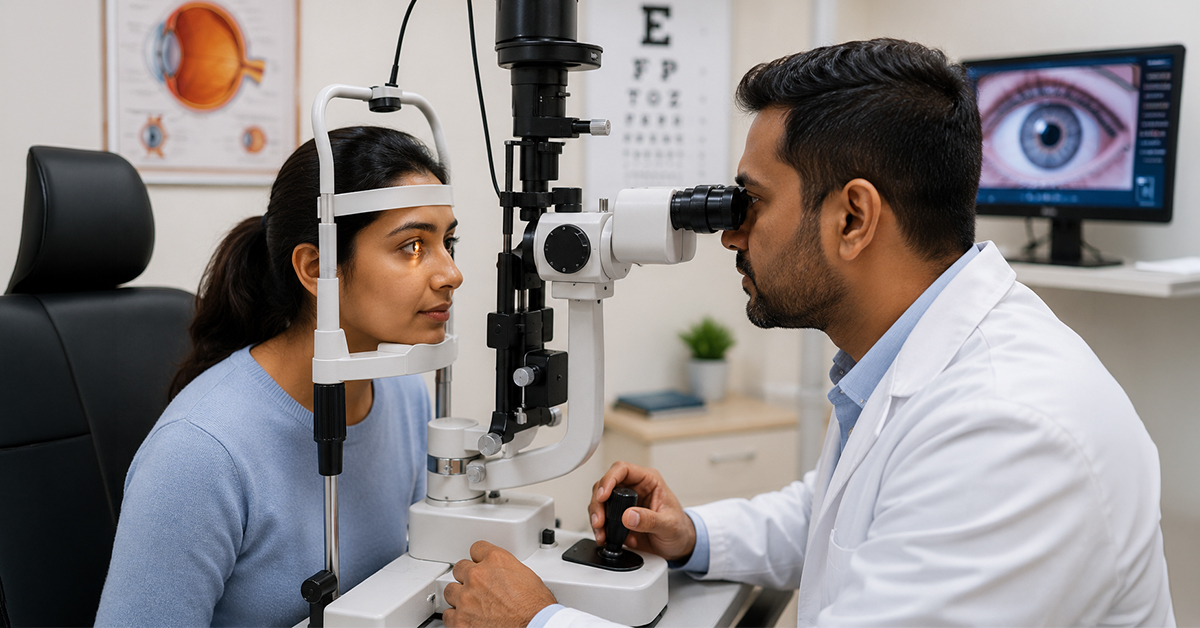
Eyes don’t really complain loudly. They just change, slowly, quietly. A person might not even notice at first. But over time, small things start to feel different. Words blur a little, lights seem harsher, or focusing takes more effort than it used to. That’s usually how common eye conditions begin. Not with something dramatic, but with small shifts that are easy to ignore.
When Distant Or Near Things Don’t Look Right
It often starts with focus. Someone might notice that faraway objects aren’t as clear anymore. That’s myopia, or nearsightedness. On the other side, there’s hyperopia, where nearby things feel harder to read. Astigmatism is a bit different. Vision isn’t just blurred, it feels slightly distorted, like things aren’t shaped the way they should be. And then there’s presbyopia, which tends to show up after 40, when reading something up close suddenly needs more effort.
These are simple refractive issues, but they’re also some of the most common. People adjust to them without realizing they’ve been compensating for a while. These small adjustments are often the early signs of eye diseases, even if they don’t feel serious at first. At Win Vision, this is something we see often. People walk in thinking they just need new glasses, and sometimes it turns out to be something that needs more attention, not alarming, just important.
When Vision Starts To Cloud Or Fade
Some problems feel more noticeable. Cataracts, for example, don’t just blur vision, they make everything look cloudy, almost like there’s a thin layer over the eyes. Then there’s age-related macular degeneration, where central vision becomes unclear. Reading or recognizing faces can slowly become difficult. Glaucoma is quieter. It builds pressure inside the eye and affects the optic nerve. The tricky part is that it doesn’t always show obvious symptoms early on. Vision loss can happen gradually, without pain. These conditions tend to feel distant until they’re not. And by the time they’re noticed, they’ve often been there longer than expected.
The Irritation That Doesn’t Go Away
Some problems don’t affect vision directly at first, but they make the eyes uncomfortable enough to notice. Dry eye syndrome is one of those. There’s a constant dryness, sometimes a burning feeling, sometimes watering that doesn’t make much sense. It sounds minor, but it can make daily life uncomfortable. Conjunctivitis, or pink eye, brings redness and itching. It’s hard to ignore because it’s visible as well as uncomfortable.
Blepharitis and styes affect the eyelids. Swelling, irritation, sometimes pain. These issues come and go, but they leave a sense that the eyes aren’t quite at ease. They might seem small, but they often point toward underlying causes of vision problems that are tied to lifestyle, hygiene, or prolonged strain. At Win Vision, the approach has always been simple, make it easier for people to get checked without feeling overwhelmed. From cataract care to LASIK, from pediatric eye concerns to glaucoma management, the idea is to provide options that feel approachable, not intimidating.
When Health Conditions Affect The Eyes
Some eye problems don’t begin in the eyes themselves. Diabetic retinopathy is one example, where diabetes affects the blood vessels in the retina. It’s not something that shows up immediately. It develops over time, often without clear symptoms in the early stages. That’s what makes it difficult. By the time vision changes are noticed, the condition may already be progressing. This is where regular attention matters more than most people expect, even when nothing feels wrong.
Vision Problems That Start Early
In children, the signs are different, but just as important. Amblyopia, often called lazy eye, reduces vision in one eye. It’s not always obvious unless someone is specifically looking for it. Strabismus, or crossed eyes, affects alignment. One eye may turn in a different direction, which can affect depth perception and overall vision development. These issues are easy to overlook, especially if a child doesn’t complain. But early care can make a big difference.
A Thought About Prevention
There’s no perfect way to avoid these problems, but there are ways to reduce the chances. Thinking about how to prevent eye problems doesn’t always mean big changes. It’s often about small habits, like resting the eyes, managing screen time, and paying attention to changes instead of ignoring them. At Win Vision, this pattern shows up often. Many people come in after adjusting to discomfort for too long. With over 54,000 eyes tested and procedures done, there’s a clear sense that early attention could have made things easier for them.
Knowing When To Stop Ignoring It
There’s always that moment of doubt. Is this serious enough to check, or will it pass? Understanding when to see an eye doctor isn’t always straightforward, but certain signs stand out. Persistent blur, discomfort that doesn’t improve, sudden changes in vision, or difficulty focusing are usually worth checking. We at Win Vision have seen how these small decisions matter. With six centers and over 18 experts across Telangana and Andhra Pradesh, the focus has been on making care accessible so people don’t have to wait or travel far to understand what’s happening with their eyes.
Care That Feels Close And Thoughtful
There’s something reassuring about knowing where to go when vision starts to feel uncertain. Not just a place, but a space where things are explained simply and handled with care. That’s the kind of environment we try to build at Win Vision. Over the years, the focus hasn’t only been on treatment, but on making people feel comfortable enough to ask questions they might have been putting off. With a network of six centers and support from over 18 experienced specialists, we’ve been able to reach people across Telangana and Andhra Pradesh in a way that feels steady and reliable.
More than 54,000 eyes tested and procedures completed might sound like a number, but each case is really just someone trying to see clearly again, often after waiting longer than they should have. We at Win Vision have also tried to go beyond city limits, moving into smaller towns where access to proper eye care is still limited. The idea is simple, good vision care should not depend on where someone lives. It should feel available, honest, and within reach for anyone who needs it.
Final Thoughts
Eye problems don’t usually arrive all at once. They build slowly, through small changes that are easy to ignore. Understanding them isn’t about memorizing medical terms. It’s about noticing what feels different and not brushing it aside for too long. Clear vision tends to feel normal until it starts to change. And maybe that’s the point where it deserves a little more attention than it usually gets.