
There’s a point where glasses stop feeling like a small inconvenience and start quietly shaping everyday life. Morning routines take longer. Driving at night feels slightly tiring. Even simple things like reading a menu or finding misplaced glasses become part of the day without anyone really noticing.
That’s usually when people begin wondering about laser vision correction and whether it’s finally the right time. The question comes up often at Win Vision. Not just whether LASIK works, but whether this is the right age for it. And honestly, age matters more than people expect, though maybe not in the way most assume.
Why Age Matters More Than People Think
A lot of people imagine LASIK as something mainly for young adults in their twenties. But eye specialists usually look less at the number itself and more at whether the eyes have become stable. Vision tends to change frequently during teenage years and even the early twenties. If prescription power is still shifting, surgery may not give long-term results. That’s why many specialists feel the conversation around when to get LASIK surgeryshould begin only after vision remains stable for at least a year.
At Win Vision, these conversations are usually more personal than technical. Someone may be 24 and perfectly ready, while another person at 29 may still have changing eye power. The eyes don’t really follow birthdays neatly.
The Age Most People Consider LASIK
For many people, the late twenties to late thirties often become the most comfortable period for LASIK eye surgery age decisions. Careers become stable, routines settle down, and people start wanting convenience over constant adjustment. This age range also tends to offer more predictable healing and stable correction. The cornea is usually healthy, and age-related changes in near vision have not fully started yet.
Still, it’s not always about finding the exact best age for LASIK surgery. There probably isn’t one perfect number. It’s more about timing the procedure before frustration with glasses grows into something exhausting, while also making sure the eyes are medically ready. That middle space matters.
LASIK After 40 Feels Different, But Not Impossible
Something interesting happens around 40. Many people suddenly notice that reading nearby text becomes harder, even if distance vision feels normal. That’s presbyopia, and it’s a natural age-related change. This is usually where confusion around laser eye surgery age limit starts. Some people assume LASIK is no longer possible after 40, which isn’t really true.
At Win Vision, we see many patients above 40 looking at tailored LASIK options designed for both distance and near vision. Some undergo monovision correction, where one eye helps with distance and the other supports near tasks. Others choose multifocal approaches depending on lifestyle and comfort.
The conversations become slightly different after 40. It’s less about “perfect vision forever” and more about reducing dependence on glasses in a practical way. And honestly, many people seem relieved simply hearing that age alone doesn’t automatically close the door.
Readiness Matters More Than Age
Sometimes people focus so much on numbers that they miss the bigger question: are the eyes actually ready? A person may fit the ideal age range and still not qualify because of dry eyes, thin corneas, or unstable prescriptions. Another person outside the typical range may turn out to be an excellent candidate. That’s why proper evaluation matters more than internet checklists.
At Win Vision, every consultation for LASIK eye treatment usually begins with understanding daily habits, work routines, screen exposure, and visual expectations. Someone working long hours on digital screens may need different guidance compared to someone mostly driving or travelling. LASIK is personal in a quiet way. Two people with similar glasses power may still need completely different recommendations.
What Recovery Usually Feels Like
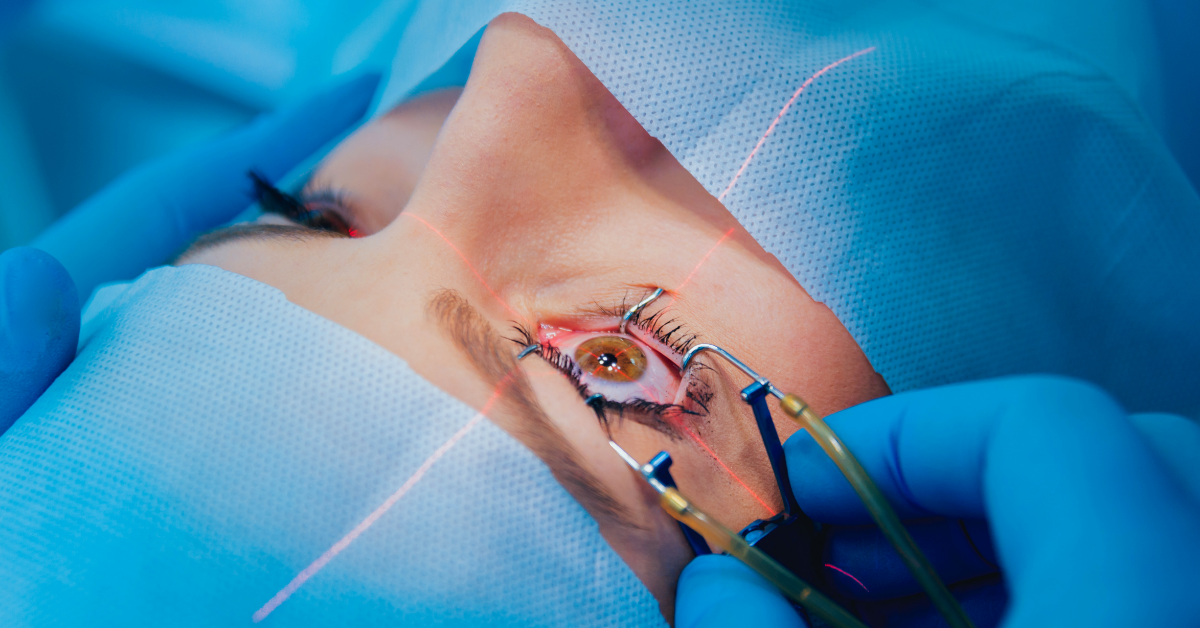
A lot of fear around LASIK comes from imagining something dramatic or painful. Most people are surprised by how quick the procedure actually feels. The surgery itself usually lasts only minutes for each eye. Recovery is often fast too, with many people noticing clearer vision within a day or two. There can be temporary dryness or mild discomfort, but it usually settles with proper care.
At Win Vision, many patients describe the experience less like a major surgery and more like a strange but brief adjustment period. The anticipation often feels bigger than the actual procedure. That said, expectations matter. LASIK improves vision significantly for many people, but eyes still continue aging naturally over time. Surgery cannot completely pause that process.
Why Win Vision Keeps Focusing On Access And Long-Term Care
One thing we at Win Vision have learned over the years is that people often delay eye care simply because it feels distant or complicated. Over the past eight years, we have tried to make that process feel more reachable across Telangana and Andhra Pradesh through our 6 centers and a network of 18+ experts. With more than 54,246 procedures completed and trust built with nearly 1.5 lakh families, the goal has remained surprisingly simple: make quality eye care feel local, genuine, and less intimidating.
Our work has especially stayed focused on tier-2 and tier-3 cities where proper ophthalmology services are often harder to access. Whether someone visits for cataract care, cornea treatment, glaucoma support, pediatric eye services, or laser vision correction, the idea remains the same. People deserve clear explanations before they make decisions about their eyes. Sometimes reassurance matters as much as treatment itself.
The Decision Usually Becomes Clear Slowly
Most people don’t wake up one morning suddenly certain about LASIK. The decision usually builds slowly over time. It happens through small moments. Fogged-up glasses during rain. Struggling with contact lenses late at night.
Searching for glasses immediately after waking up. These things sound minor until they quietly repeat for years. The right age for LASIK often turns out to be less about reaching a number and more about reaching clarity. Stable vision, healthy eyes, realistic expectations, and the feeling that daily life would genuinely become easier. That combination matters more than age alone ever will.
FAQs
What Is the Best Age to Undergo LASIK Eye Surgery?
Most specialists consider the mid-twenties to late thirties ideal because vision usually becomes stable and healing remains predictable then.
At What Age Do Eye Specialists Recommend LASIK?
Eye specialists usually recommend LASIK after 18, but most prefer waiting until vision remains stable for at least one full year.
Is There an Ideal Time in Life to Get LASIK Surgery?
The ideal time depends more on stable eyesight, healthy corneas, and lifestyle needs rather than reaching one specific age alone.
How Do You Know If You’re Ready for LASIK?
Stable prescription, healthy eyes, realistic expectations, and proper screening from specialists usually indicate readiness for LASIK treatment and surgery.
Can LASIK Be Done Safely After 40?
Yes, LASIK can still work safely after 40, especially with customised approaches addressing presbyopia and age-related vision changes effectively.